
Training on how to transform plastic into products
Turning Low-Value Waste into Opportunity, Skills, and Market-Ready Products
Plastic is often seen as the most difficult waste stream to manage. However, within that challenge lies one of the greatest opportunities for impact. This programme reframes plastic not as waste, but as a versatile, abundant resource that can be transformed into products, income, and long-term community value.
Through a structured yet highly practical learning experience, participants develop the ability to identify, process, and repurpose low-value plastics into durable, functional materials. At the same time, they build the business and design thinking skills needed to turn these materials into viable products that meet real market demand.
From Waste to Material Innovation
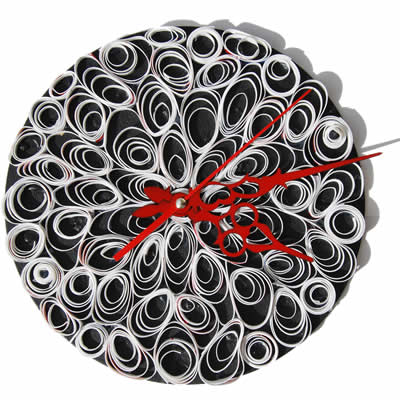
The training begins by shifting perspective. Participants learn to recognise different types of plastic, understand their properties, and identify what can and cannot be used in various transformation processes. This foundation ensures that every product created is not only visually appealing but also structurally sound and fit for purpose. As the programme progresses, plastic moves from being a discarded item to a workable material. Participants explore techniques that allow them to reshape, combine, and construct with plastic in ways that unlock entirely new applications. This includes developing flexible materials, structured forms, and layered surfaces that can be adapted across multiple product categories. In doing so, they gain hands-on experience in material preparation, shaping, and assembly — building confidence through repetition and refinement.
Design Thinking that Drives Real Outcomes
While technical skills are essential, the real value lies in how participants think about what they create. The programme integrates design thinking throughout, encouraging learners to consider function, durability, aesthetics, and user experience from the outset.
They begin to understand how colour, texture, and finish influence perceived value. More importantly, they learn how to design with intention — creating products that solve problems, meet customer expectations, and stand out in the market.
This approach ensures that the outcome is not just a product, but a product with purpose.
Building Practical Business Skills
In parallel, the training introduces critical business concepts in a way that is accessible and immediately applicable. Participants engage in practical discussions around customer types, pricing strategies, and how to quote for work based on time, materials, and complexity.
They also explore production planning and time management, understanding how efficiency and consistency directly impact income potential. Through interactive sessions, they see the consequences of under-delivering and the importance of maintaining quality and reliability in customer relationships.
As a result, participants leave with a clearer understanding of how to position themselves not just as makers, but as service providers.
Hands-On Production and Technique Development
The programme is grounded in physical making. Participants work through a range of transformation techniques that build dexterity, problem-solving ability, and technical confidence.
They learn how to:
- Prepare and process low-value plastics into usable formats
- Develop structural and flexible materials from waste
- Apply joining, layering, and construction methods
- Experiment with different techniques to achieve strength, durability, and finish
This hands-on approach ensures that learning is retained and immediately transferable into real-world production.
Creating Market-Ready Products
As skills develop, the focus shifts toward producing items that are not only functional but commercially viable. Participants evaluate their work against key criteria such as design quality, durability, and overall aesthetic appeal.
They begin to understand what makes a product sell — and how small refinements in finish, consistency, and presentation can significantly increase perceived value.
This stage bridges the gap between learning a skill and generating an income.
Extending Impact Beyond the Training
The programme does not end when the training is complete. Participants become part of the broader Upcycle ecosystem, where they continue to receive support, guidance, and access to opportunities.
This includes pathways to market through Upcycle’s sales platforms, as well as ongoing exposure to new projects, materials, and collaborations. As a result, the training becomes a starting point for long-term participation in the circular economy rather than a once-off intervention.
Why This Programme Matters
Plastic pollution is one of the most visible environmental challenges of our time. Yet, with the right skills and mindset, it can also become a powerful driver of economic inclusion.
This training enables companies and organisations to do more than fund a programme. It allows them to actively contribute to:
- Diverting waste from landfill
- Reducing environmental impact
- Creating income-generating opportunities
- Building resilient, skilled communities
At the intersection of environmental responsibility and social impact, this programme delivers measurable, meaningful change.
you can follow us on facebook for more up to date content